Artificial intelligence, cloud computing, and digital transformation are fueling one of the largest infrastructure expansions in modern history. vAcross North America, Europe, the Middle East, and Asia, organizations are investing billions of dollars into new data centers, high-performance computing environments, and AI infrastructure. Hyperscale operators, cloud providers, enterprises, and public sector organizations are upgrading their technology environments at an unprecedented pace to keep up with growing computational demands.
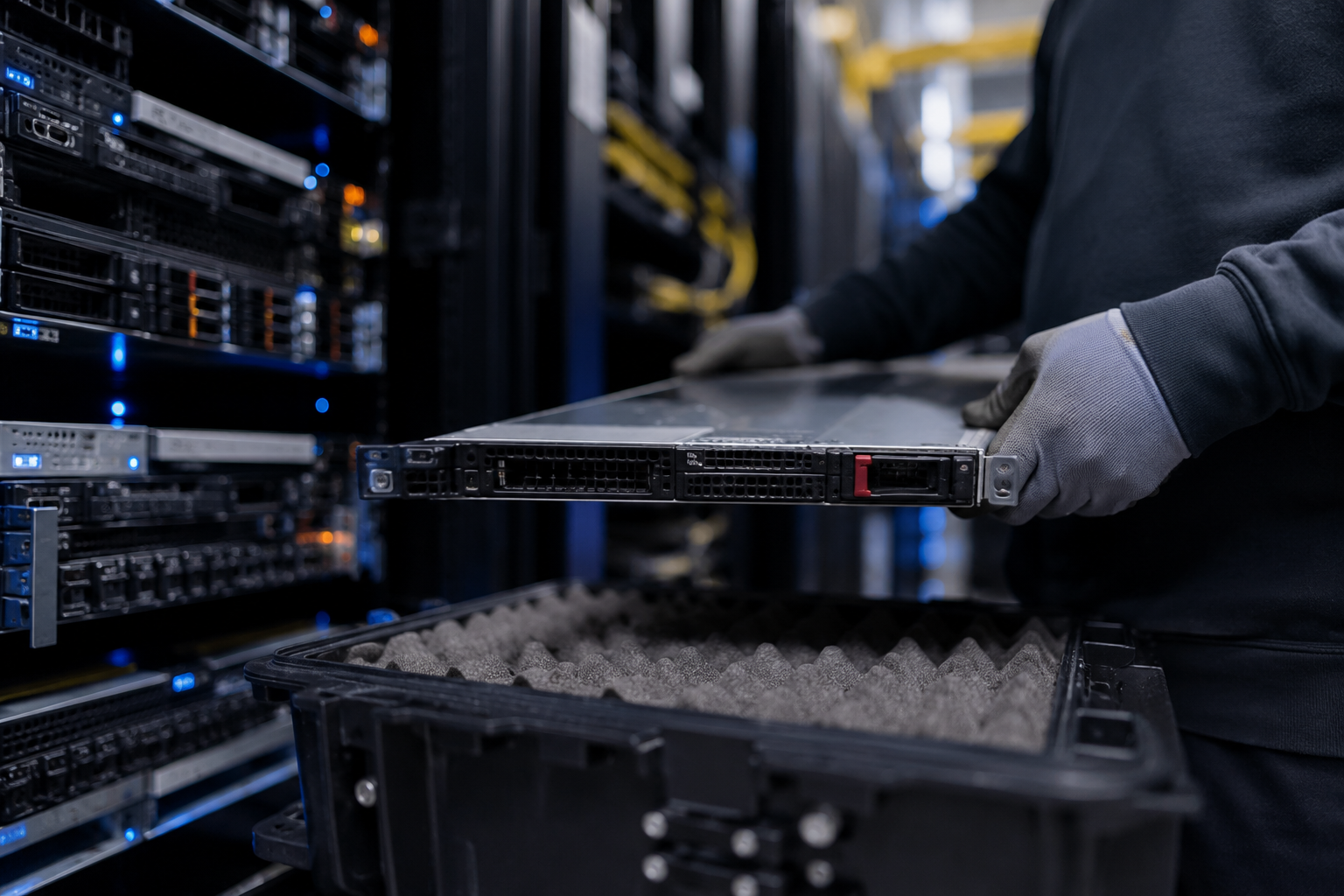
But while the spotlight often shines on the deployment of new technology, far less attention is paid to what happens when that technology reaches the end of its useful life.What happens to the thousands of servers, storage arrays, networking devices, and IT assets that are removed from service every day?
The answer is more important than many organizations realize.Today, end-of-life IT asset management sits at the intersection of cybersecurity, sustainability, regulatory compliance, ESG reporting, and resource recovery. As technology refresh cycles continue to shorten, organizations are increasingly recognizing that responsible IT Asset Disposition (ITAD) is no longer simply a back-end operational process. It has become a strategic business function.
The global demand for computing power has never been greater.According to the International Energy Agency (IEA), global data center electricity consumption is expected to nearly double by 2030 as AI adoption accelerates worldwide. Technology companies are investing hundreds of billions of dollars into new infrastructure, creating unprecedented demand for servers, networking equipment, and storage systems.At the same time, hardware refresh cycles are becoming shorter.Many enterprise servers that were deployed just five years ago are already being replaced with newer, more energy-efficient systems capable of supporting AI workloads and advanced computing applications. What was once considered cutting-edge technology is now rapidly becoming obsolete.This growing cycle of deployment and replacement is generating an increasing volume of end-of-life IT assets entering the market.
For organizations managing large-scale technology environments, this creates an important challenge:How can retired assets be managed securely, sustainably, and responsibly while maximizing value recovery?
Before any retired server can be reused, refurbished, or recycled, organizations must address their most important concern: data security. Even when a server is no longer operational, it may still contain highly sensitive information including customer records, financial data, intellectual property, healthcare information, employee records, or confidential business documents.The consequences of improper disposal can be severe, leading to regulatory penalties, reputational damage, financial loss, and potential data breaches.
This is why certified data destruction remains one of the most critical components of modern IT Asset Disposition programs.Organizations must ensure all data-bearing devices undergo secure sanitization procedures before equipment can be remarketed or recycled. Depending on organizational requirements and compliance obligations, this may involve software-based data erasure, physical destruction, or a combination of both.Maintaining a documented chain of custody throughout the process provides transparency, accountability, and confidence that sensitive information remains protected.
One of the biggest misconceptions about retired IT equipment is that it automatically becomes waste.In reality, many servers retain significant value long after they leave a production environment.Following secure data destruction, equipment is evaluated to determine whether it can be reused, refurbished, or remarketed. Components such as processors, memory modules, power supplies, networking cards, and storage devices often continue to have strong demand in secondary markets.
Organizations around the world are increasingly embracing circular economy strategies that prioritize extending the life of technology whenever possible.Reuse offers several advantages:
For many organizations, reuse represents both the highest-value and most environmentally beneficial outcome.
Sustainability is rapidly becoming a defining priority across the data center industry.Investors, customers, regulators, and stakeholders are placing greater emphasis on environmental performance, carbon reduction, and responsible resource management.As a result, organizations are moving beyond traditional recycling programs and embracing circular economy principles.
The concept is simple: keep products, materials, and resources in use for as long as possible.
For data center operators, this means prioritizing reuse whenever feasible, harvesting valuable components, and recovering materials through responsible recycling when assets can no longer be utilized.The result is a more sustainable approach to technology lifecycle management that reduces waste while conserving valuable resources.
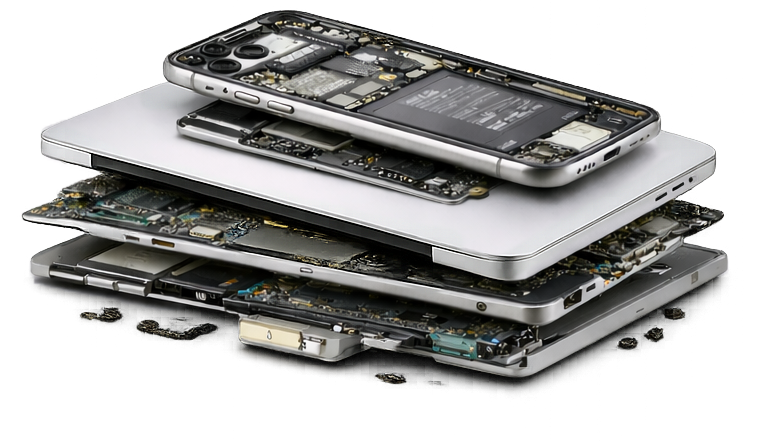
When a server can no longer be reused, it enters the resource recovery phase.Modern servers contain a surprising amount of valuable materials, including:
These materials play a critical role in manufacturing new electronics, telecommunications infrastructure, electric vehicles, renewable energy technologies, and advanced computing systems.As global demand for critical minerals continues to rise, recovering these resources from end-of-life electronics is becoming increasingly important.
According to the Global E-Waste Monitor, the world generated approximately 62 million metric tonnes of electronic waste in 2022, making e-waste one of the fastest-growing waste streams globally. By 2030, that figure is projected to reach 82 million metric tonnes if current trends continue.Yet despite the value contained within these materials, only a fraction of global electronic waste is formally collected and recycled.This presents both a challenge and an opportunity.Organizations that implement responsible electronics recycling programs help divert material from landfill, recover valuable resources, and contribute to a more resilient global supply chain.
The conversation surrounding end-of-life IT assets has evolved significantly over the past decade.Today, organizations are not only asking where their equipment ends up. They are asking how disposition decisions impact sustainability performance, carbon reduction goals, and ESG commitments.Modern ITAD programs often include environmental reporting that provides visibility into:
These insights help organizations demonstrate measurable progress toward sustainability objectives while supporting broader environmental initiatives and corporate reporting requirements.
The rapid growth of AI, cloud computing, and digital infrastructure is creating new opportunities and challenges for organizations around the world.As technology continues to evolve, the volume of retired equipment entering the market will continue to increase. The organizations that succeed will be those that view end-of-life assets not as waste, but as valuable resources that can be securely managed, reused, and recovered.The future of IT Asset Disposition extends far beyond recycling.It is about protecting sensitive data.It is about recovering value.It is about reducing environmental impact.And it is about supporting a more sustainable and circular digital economy.Every server removed from a data center has a story that continues long after it is unplugged.The question is whether that story ends as waste, or begins a new chapter through responsible resource recovery, reuse, and sustainability.
At ERS International, we believe the future of technology is circular. By helping organizations securely manage end-of-life IT assets, recover valuable materials, achieve sustainability goals, and protect sensitive information, we are helping build a more resilient and responsible digital future.